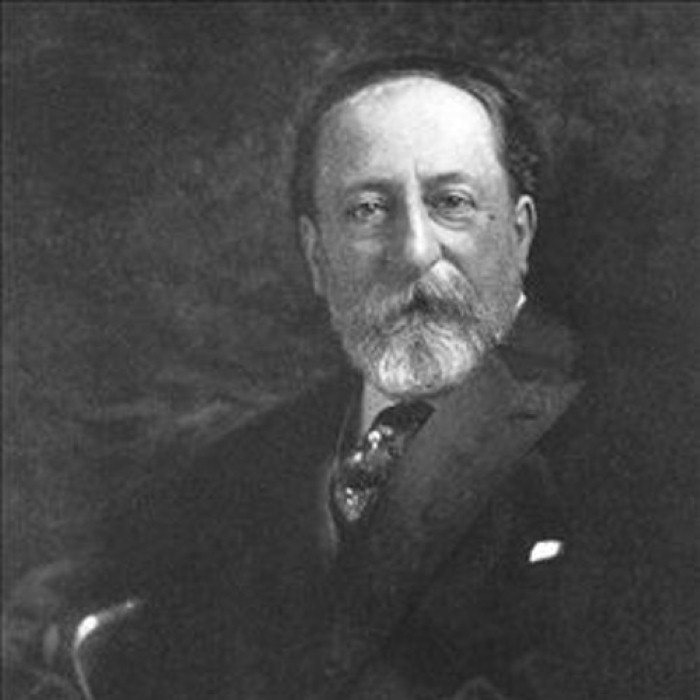
Camille Saint‐Saëns
1,769 monthly listeners on Last.fm
About
Charles-Camille Saint-Saëns (French: 9 October 1835 – 16 December 1921) was a French composer, organist, conductor and pianist of the Romantic era. His best-known works include Introduction and Rondo Capriccioso (1863), the Second Piano Concerto (1868), the First Cello Concerto (1872), Danse macabre (1874), the opera Samson and Delilah (1877), the Third Violin Concerto (1880), the Third ("Organ") Symphony (1886) and The Carnival of the Animals (1886). Saint-Saëns was a musical prodigy, making his concert debut at the age of ten. After studying at the Paris Conservatoire he followed a conventional career as a church organist, first at Saint-Merri, Paris and, from 1858, La Madeleine, the official church of the French Empire. After leaving the post twenty years later, he was a successful freelance pianist and composer, in demand in Europe and the Americas. As a young man, Saint-Saëns was enthusiastic for the most modern music of the day, particularly that of Schumann, Liszt and Wagner, although his own compositions were generally within a conventional classical tradition. He was a scholar of musical history, and remained committed to the structures worked out by earlier French composers. This brought him into conflict in his later years with composers of the impressionist and dodecaphonic schools of music; although there were neoclassical elements in his music, foreshadowing works by Stravinsky and Les Six, he was often regarded as a reactionary in the decades around the time of his death. Saint-Saëns held only one teaching post, at the École de Musique Classique et Religieuse in Paris, and remained there for less than five years. It was nevertheless important in the development of French music: his students included Gabriel Fauré, among whose own later pupils was Maurice Ravel. Both of them were strongly influenced by Saint-Saëns, whom they revered as a genius.
Top Tracks
Le carnaval des animaux, R. 125 : Saint-Saëns: Le carnaval des animaux, R. 125: XIII. Le cygne
Saint-Saëns: Le Carnaval des Animaux; Phaéton; Danse Macabre etc.My Heart at Thy Sweet Voice
Peaceful Classical Piano for SleepImpressions De France (From "Impressions De France")
Walt Disney World Official AlbumSymphony No. 3 in C Minor, Op. 78, "Organ": IV. Maestoso - Allegro
Saint-Saëns: Symphony No. 3 / Debussy: La Mer / Ibert: EscalesLe carnaval des animaux, R. 125 : Saint-Saëns: Le carnaval des animaux, R. 125: VII. Aquarium
Saint-Saëns: Le Carnaval des Animaux; Phaéton; Danse Macabre etc.Le Carnaval des Animaux : Saint-Saëns: Le Carnaval des Animaux: Aquarium
Saint-Saens: Le Carnaval des Animaux; Organ SymphonyLe carnaval des animaux, R. 125 : Saint-Saëns: Le carnaval des animaux, R. 125: XIII. The Swan (Arr. Hodge for Cello, Harp & Ensemble)
InspirationSuite for Cello and Orchestra, Op. 16 : Saint-Saëns: Suite for Cello and Orchestra, Op. 16: II. Sérénade (andantino)
10 Classic AlbumsSaint-Saëns: Cello Concerto No. 2 in D Minor, Op. 119: II. Allegro non troppo – Cadenza – Tempo I – Molto allegro
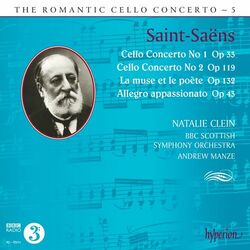
Saint-Saëns: Cello Concertos Nos. 1 & 2 etc. (Hyperion Romantic Cello Concerto 5)The Swan
My Way





30-second previews via Deezer
Discography
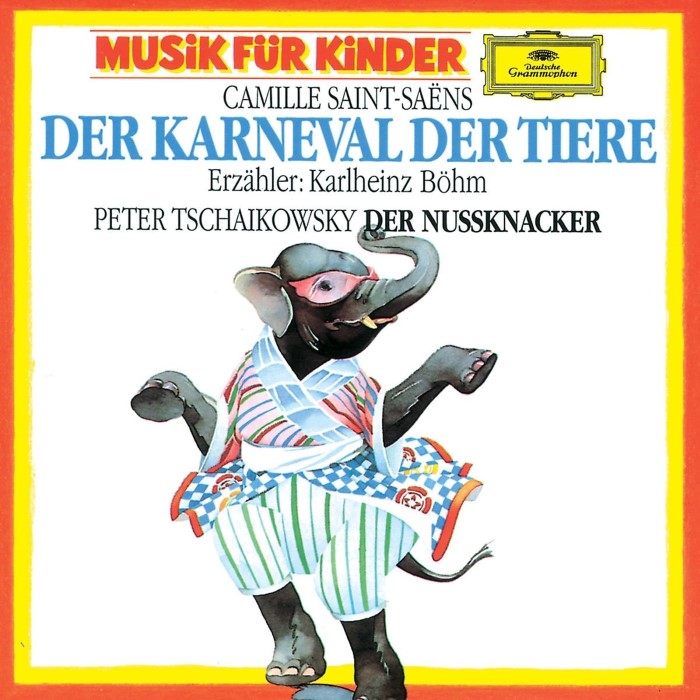
Der Karneval der Tiere / Der Nussknacker
Album1989Great European Organs, No. 15: Colin Walsh Plays the Father Willis Organ of Lincoln Cathedral
Album1989Saint‐Saëns, Lalo: Cello Concertos / Bruch: Kol Nidrei
Album1989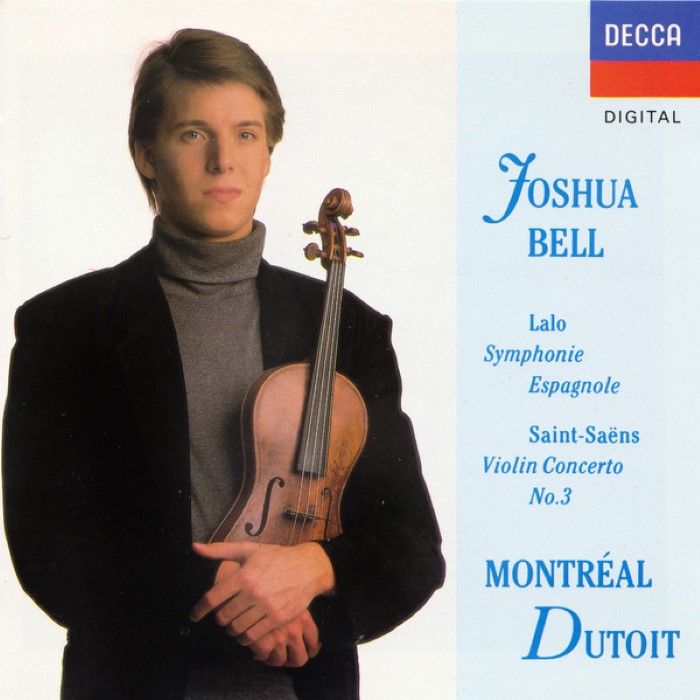
Lalo: Symphonie espagnole / Saint-Saëns: Violin Concerto no. 3
Album1989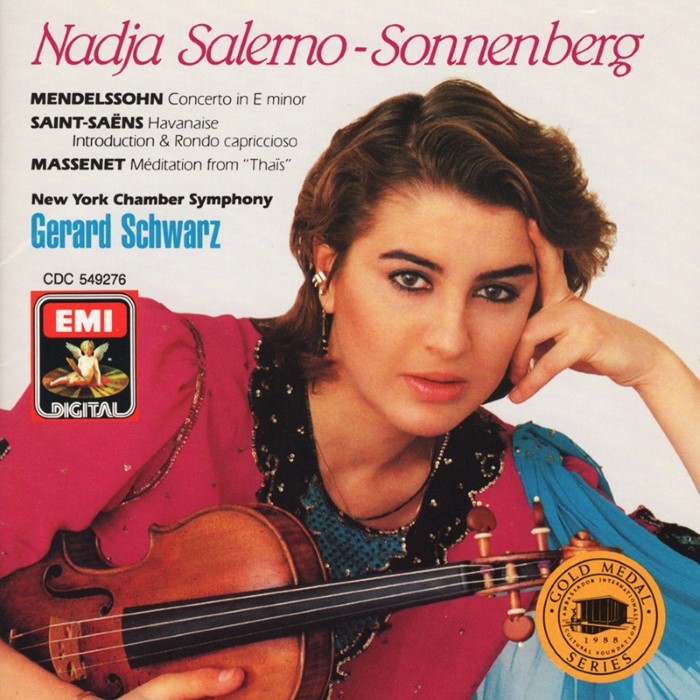
Mendelssohn: Violin Concerto / Saint-Saëns: Havanaise / Introduction and Rondo capriccioso / Massenet: Meditation from 'Thais'
Album1988Symphony No. 3 "Organ Symphony" / Carnival of the Animals
Album1988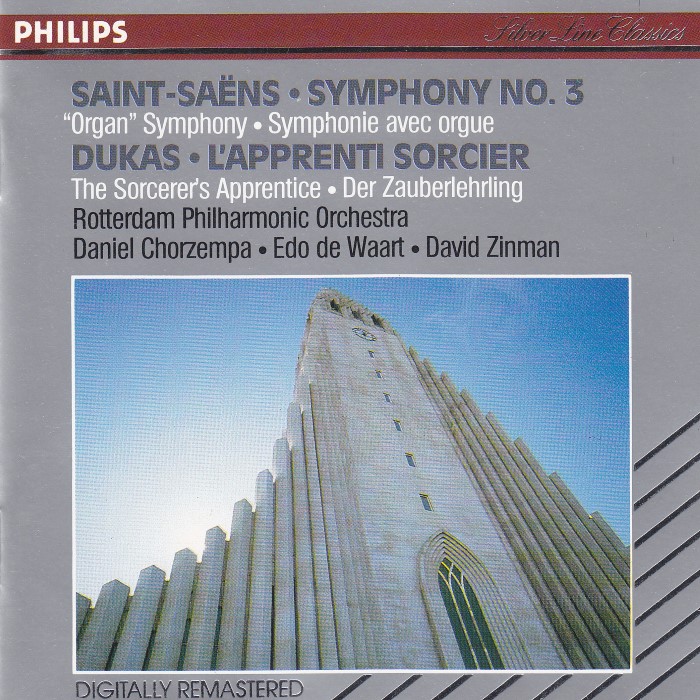
Saint-Saëns: Symphony no. 3 / Dukas: L'Apprenti Sorcier
Album1988Saint‐Saëns: Cello Concerto no. 1 / Lalo: Cello Concerto
Album1988"Organ" Symphony no. 3
Album1988Concerto pour piano no. 1
Album1988