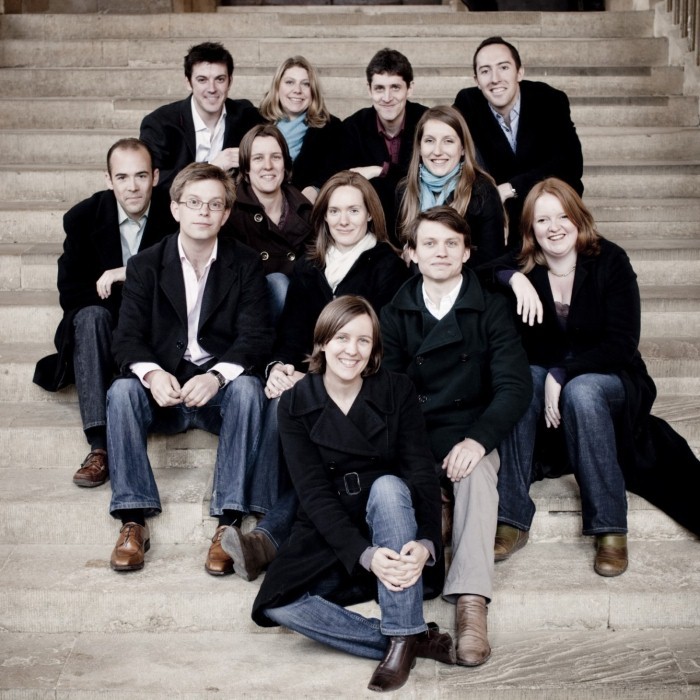
Stile Antico
14,882 monthly listeners on Last.fm
About
Stile antico (literally "ancient style", Italian pronunciation: ), is a term describing a manner of musical composition from the sixteenth century onwards that was historically conscious, as opposed to stile moderno, which adhered to more modern trends. It has been associated with composers of the high Baroque and early Classical periods of music, in which composers used controlled dissonance and modal effects and avoided overtly instrumental textures and lavish ornamentation, to imitate the compositional style of the late Renaissance. Stile antico was deemed appropriate in the conservative confines of church music, or as a compositional exercise as in J. J. Fux's Gradus Ad Parnassum (1725), the classic textbook on strict counterpoint. Much of the music associated with this style looks to the music of Palestrina as a model. In the early Baroque Claudio Monteverdi and his brother coined the term prima pratica to refer to the older style of Palestrina, and seconda pratica to refer to Monteverdi's music. The great composers of the late Baroque all wrote compositions in this style, especially Bach. His Mass in B minor has sections written in stile antico which contrast with up-to-date Baroque idioms. Later composers such as Haydn and Mozart also used stile antico. Beethoven's Missa Solemnis, written after the composer's study of Palestrina, is a late flowering of the style.
Discography
The Golden Renaissance: Palestrina
Album2025A Plastic Theatre
Album2025The Golden Renaissance: William Byrd
Album2023The Golden Renaissance: Josquin des Prez
Album2021In a Strange Land: Elizabethan Composers in Exile
Album2019A Spanish Nativity
Album2019Tenebrae Responsories
Album2018Divine Theatre (Sacred Motets by Giaches De Wert)
Album2017A Wondrous Mystery
Album2015From the Imperial Court: Music for the House of Hapsburg
Album2014