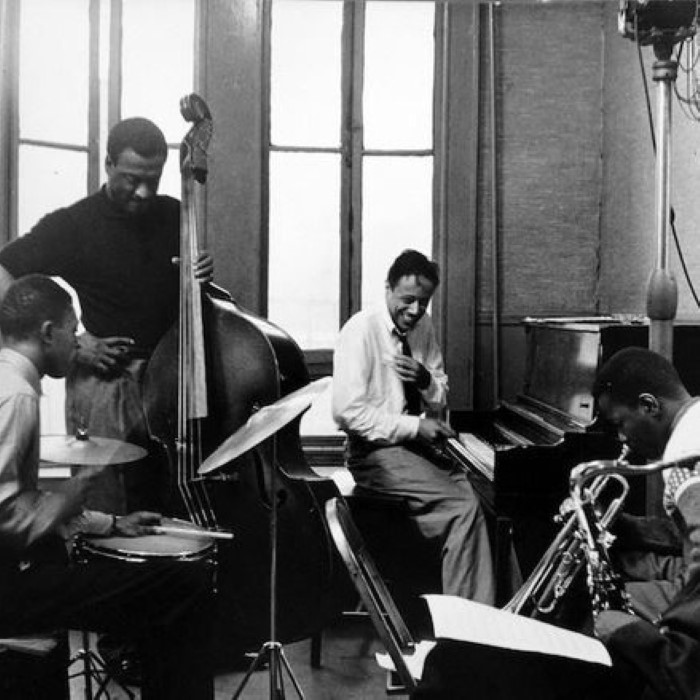
The Horace Silver Quintet
25,924 monthly listeners on Last.fm
About
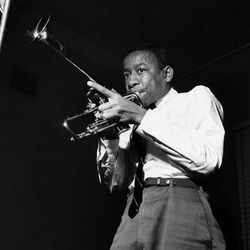
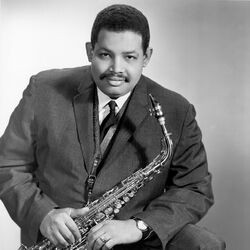
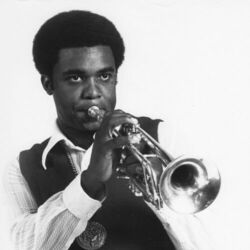
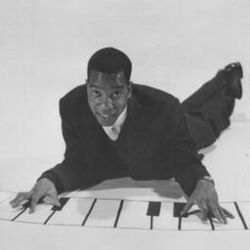
Silver's final recordings with the Jazz Messengers were in May 1956. Later that year, Silver left Blakey after one and a half years, in part because of the heroin use prevalent in the band, which Silver did not want to be involved in. Soon after leaving, Silver formed his own long-term quintet, after receiving offers of work from club owners who had heard his albums. The first line-up was Mobley (tenor saxophone), Farmer (trumpet), Watkins (bass), and Louis Hayes (drums). The quintet, with various line-ups, continued to record, helping Silver to build his reputation. He wrote almost all of the material they played, and, in concert, he "won over the crowds through his affable personality and all-action approach. He crouched over the piano as the sweat poured out, with his forelock brushing the keys and his feet pounding." After more than a dozen sideman recording sessions in 1955 and a similar number in 1956–57, Silver's appearance on Sonny Rollins, Vol. 2 in April 1957 was his last for another leader, as he opted to concentrate on his own band. For several years from the late 1950s, this contained Junior Cook (tenor saxophone), Blue Mitchell (trumpet), Gene Taylor (bass), and either Hayes or Roy Brooks (drums). Their first album was Finger Poppin', from 1959. Silver's quintet became "one of the most popular nightclub and concert attractions in jazz, and an inspiration for countless other bandleaders" by the early 1960s. They also released singles, including "Blowin' the Blues Away", "Juicy Lucy", and "Sister Sadie", for jukebox and radio play. Silver's tour of Japan early in 1962 led to the album The Tokyo Blues, recorded later that year. This quintet's sixth and final album was Silver's Serenade, in 1963. Around this time, Silver composed for a television commercial for the drink Tab. Early in 1964 Silver visited Brazil for three weeks, an experience he credited with increasing his interest in his heritage. In the same year, he created a new quintet, featuring Joe Henderson on tenor saxophone and Carmell Jones on trumpet. This band recorded most of Silver's best-known album, Song for My Father, which reached No. 95 on the Billboard 200 in 1965, and was added to the Grammy Hall of Fame in 1999. Recordings and personnel changes – sometimes expanding the band to a sextet – continued in the mid-1960s. In 1966 The Cape Verdean Blues charted at No. 130. The liner notes to the album Serenade to a Soul Sister (1968) included lyrics (written but not sung), indicating a new interest for Silver. Silver's quintet, by now including Bennie Maupin, Randy Brecker, and Billy Cobham, toured parts of Europe in October and November 1968, sponsored by the U.S. government. They also recorded one of Silver's last quintet albums for Blue Note, You Gotta Take a Little Love. The Penguin Guide to Jazz's retrospective summary of Silver's main Blue Note recordings was that they were of a consistently high standard: "each album yields one or two themes that haunt the mind, each usually has a particularly pretty ballad, and they all lay back on a deep pile of solid riffs and workmanlike solos."
Top Tracks
The Cape Verdean Blues (Rudy Van Gelder Edition / 2003 Remastered)
The Cape Verdean BluesTippin' (Remastered 2000/Rudy Van Gelder Edition)
Six Pieces Of SilverFilthy McNasty (Live At Village Gate Club, New York, 1961 / Remastered 2006 / Rudy Van Gelder Edition)
Doin' The Thing: The Horace Silver Quintet At The Village Gate (Remastered 2006/Rudy Van Gelder Edition)Senor Blues
Six Pieces Of SilverThe African Queen (Rudy Van Gelder Edition / 2003 Remastered)
The Cape Verdean BluesFor Heaven's Sake (Remastered)
Music For LoversNutville
The Best Of Horace SilverYeah!
Horace - ScopeBonita (Rudy Van Gelder Edition / 2003 Remastered)
The Cape Verdean Blues
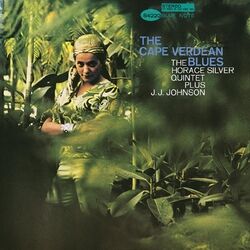
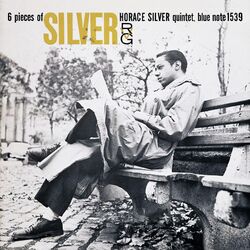
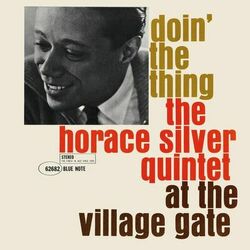

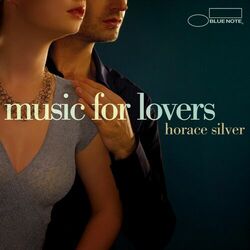
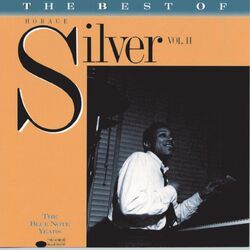
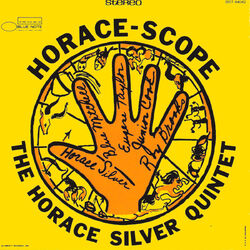
30-second previews via Deezer
Discography
Complete Recordings
Album2011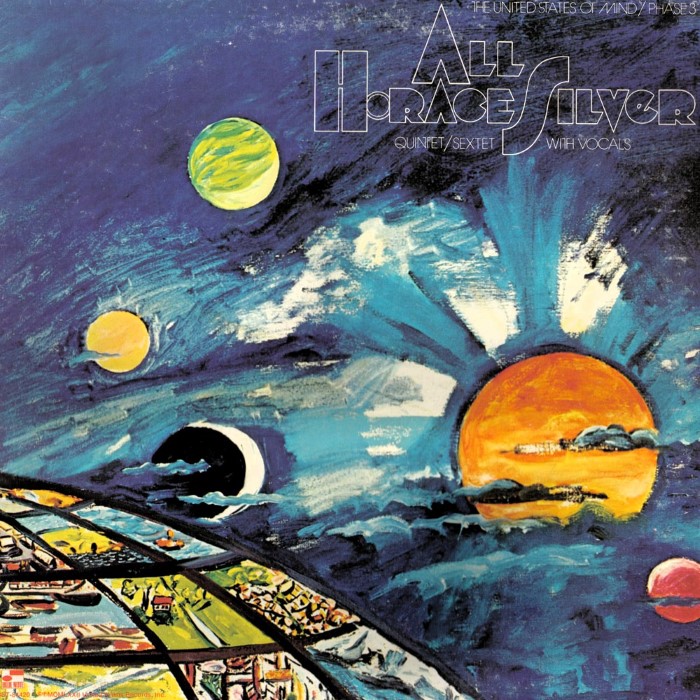
The United States of Mind, Phase 3: All
Album1972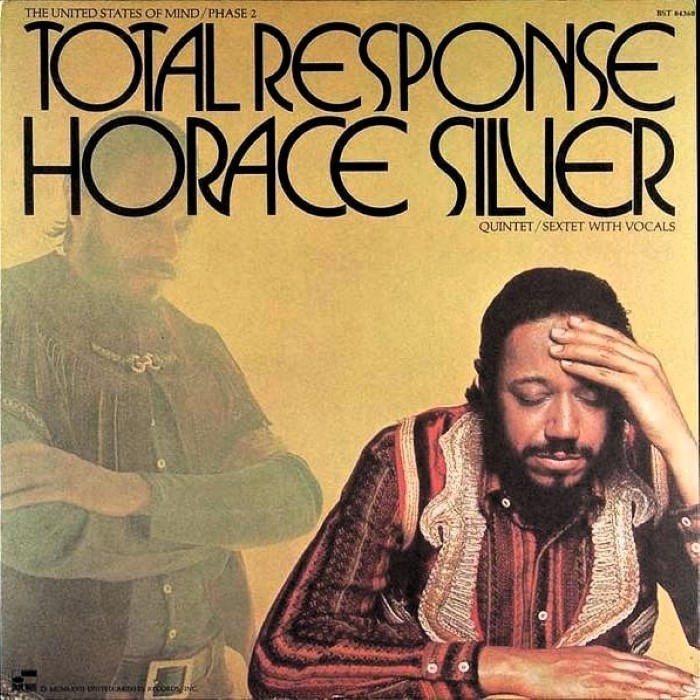
The United States of Mind, Phase 2: Total Response
Album1971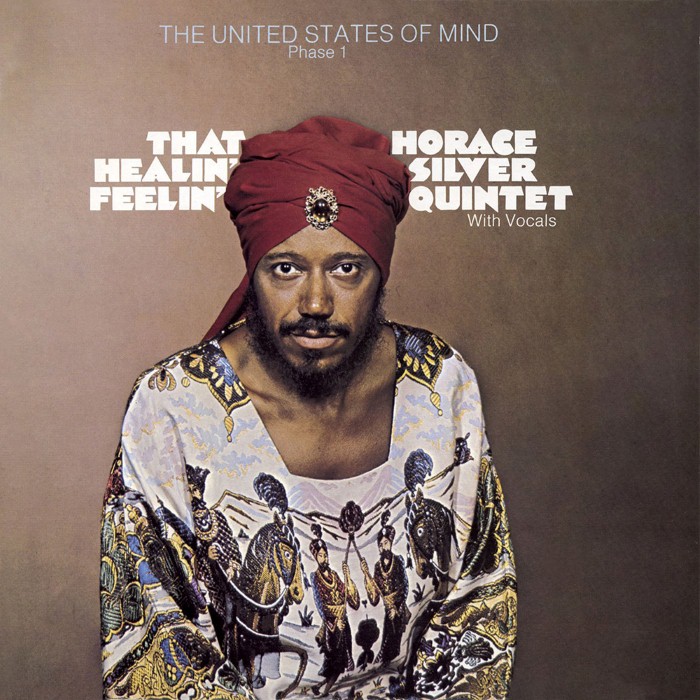
The United States of Mind, Phase 1: That Healin' Feelin'
Album1970
That Healin' Feelin'
Album1970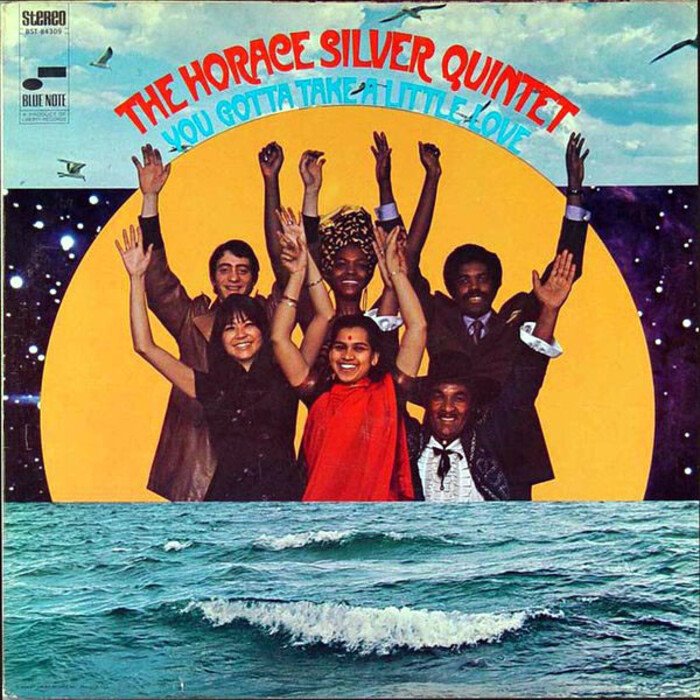
You Gotta Take a Little Love
Album1969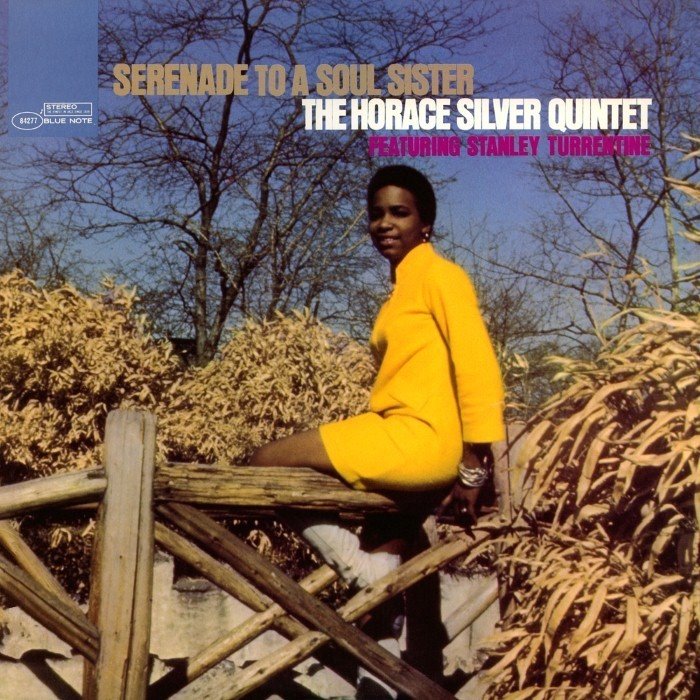
Serenade to a Soul Sister
Album1968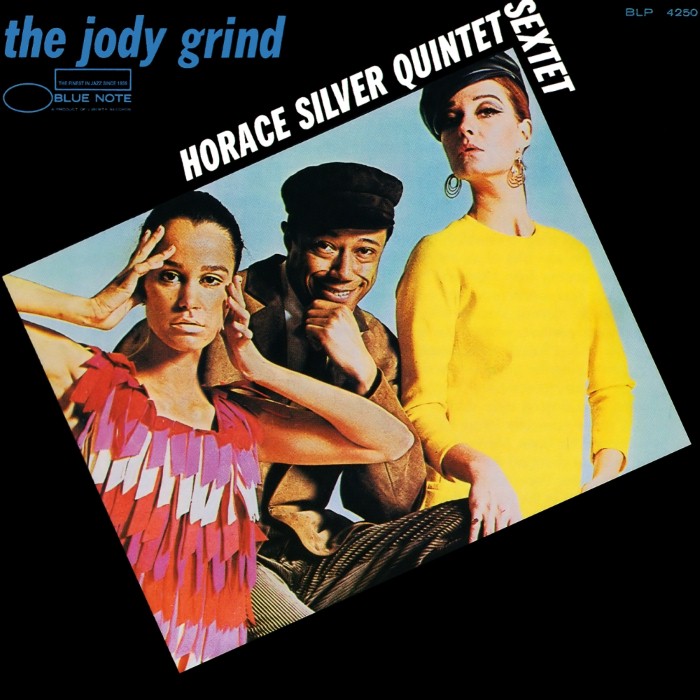
The Jody Grind
Album1967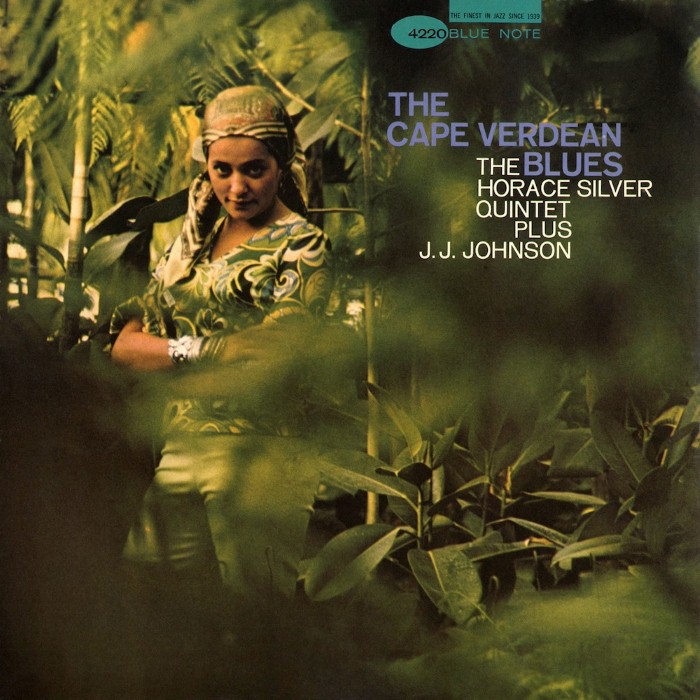
The Cape Verdean Blues
Album1965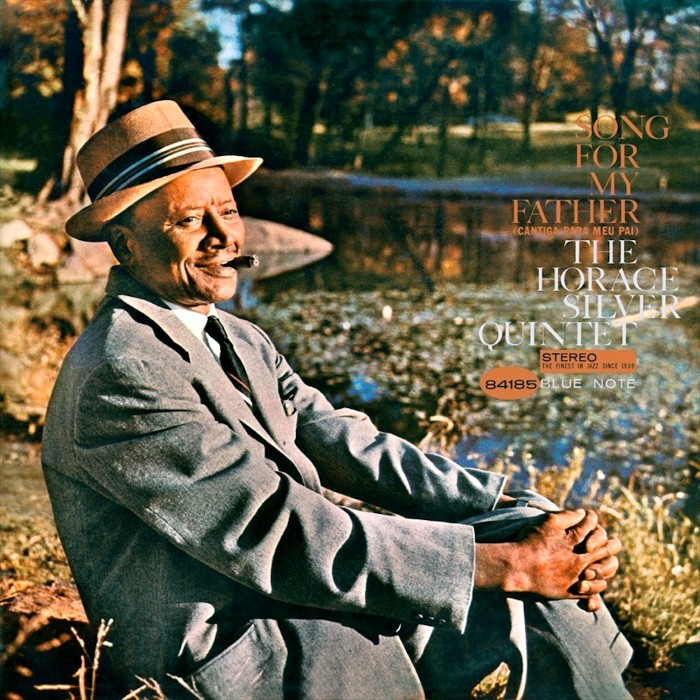
Song for My Father
Album1964